How to Use Hotel Data Without Drowning in Reports
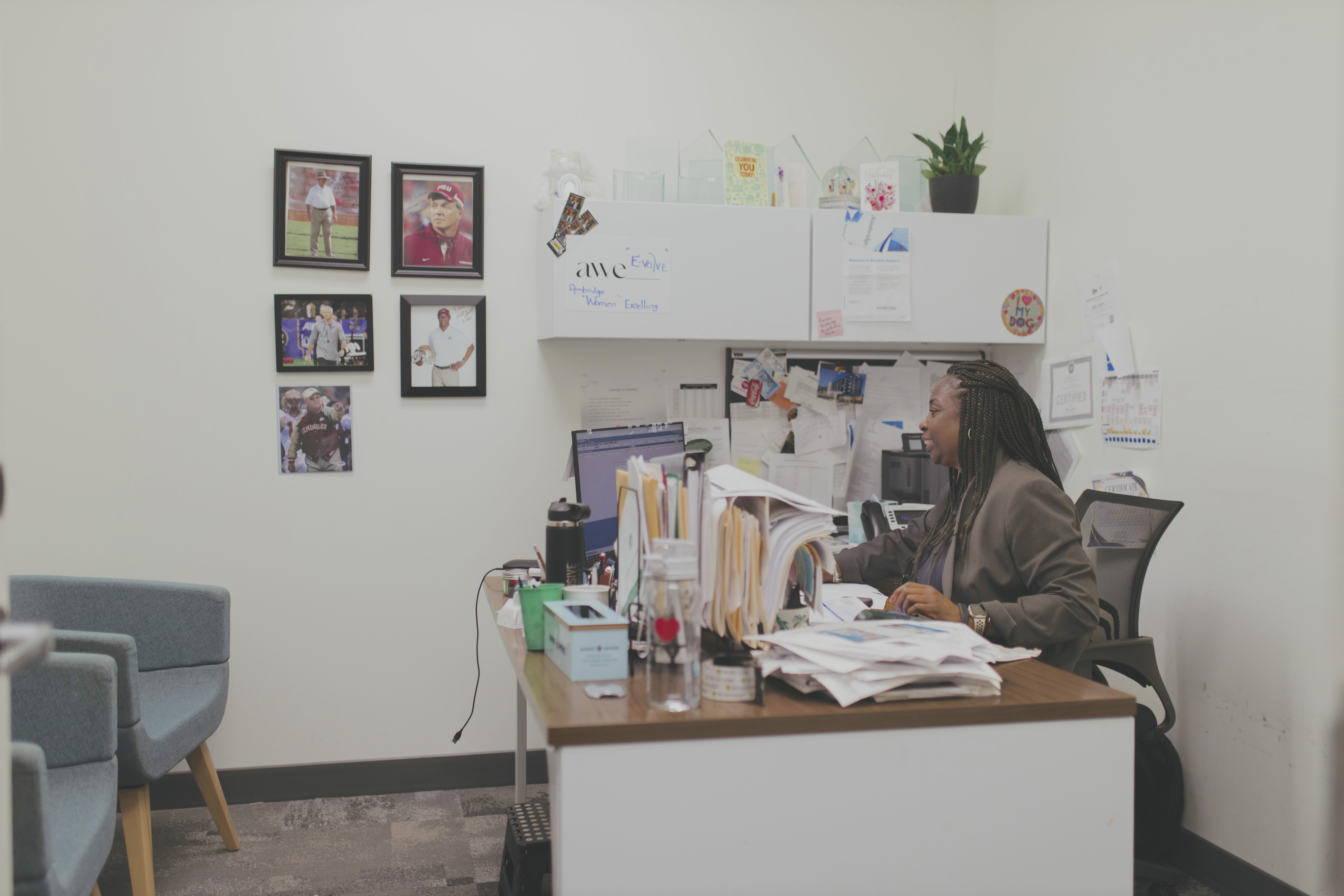
As VP of Brand Operations, you're responsible for maintaining consistency across an entire portfolio of hotels. Every week, reports arrive from engineering, housekeeping, front desk, inspections, guest services, and more. Each contains valuable information, but together they create a different problem: too much data and too little clarity.
You want to know whether your hotel KPIs are improving or slipping, whether brand standards are being upheld consistently, and which properties need support before small operational problems grow into expensive ones.
That's where reporting should make your job easier, not harder. Instead of digging through dozens of spreadsheets and departmental reports searching for answers, you need a clear operational picture that tells you what's happening, why it's happening, and where to focus next.
Data Alone Can’t Deliver Answers
You want your brand to be one guests can rely on for a consistent experience, no matter which property they visit. So, when things go awry, or KPIs start slipping, you need answers, stat. Finding those answers means asking the right questions. Are property inspections meeting required standards? Are response times lagging? Are there operational trends that require coaching, a workflow adjustment, or extra capital investment?
Most of this information already exists somewhere in your reports and operational records. And you could comb through them manually and then chase down department heads to schedule a litany of meetings, but none of this guarantees you’ll uncover the insights you need to resolve issues in a timely manner. It all but guarantees the opposite.
A better approach is to work backward from the issue in question. If the problem concerns consistency, the focus should be on inspection results, safety checks, cleanliness standards, and inspection completion trends across properties. If meeting guest requests is taking too long, you’ll want insights into response times alongside staffing and workflow activity. This goal-oriented approach to hotel metrics helps you focus on the information that matters instead of getting buried in unrelated data.
When that information comes together in a single cross-portfolio view, trends become easier to spot, and priorities become clearer. From there, you can take a deeper dive into the data, understand what’s behind the numbers, and put the right corrective measures into action.
The Cost of Seeing the Problem Too Late
When portfolio data is spread out over hundreds of documents, tracking down the information you need can make you feel like you’re playing catch-up rather than being proactive. And when everything lives in isolation, connecting the dots becomes much harder.
When it comes to your brand, effective hotel reporting means multi-property reporting, asset tracking, CapEx management, and tools that review operational data across multiple locations, monitoring your brand standards so you can maintain them.
Delayed clarity on failed audits or service inconsistencies gives these issues time to snowball. A recurring work order can become an emergency repair. A staffing bottleneck can continue slowing response times, creating an experience guests notice and remember.
And without proper context on any given issue, you risk implementing an insufficient response. A portfolio-wide directive or new policy may burden properties that are already meeting expectations while failing to address the handful of workflows or locations in need of support.
An overload of spreadsheets can also impact budgeting. When asset histories, repair patterns, and other operational costs remain siloed, determining where to allocate funding becomes an investigation of its own. Do you continue funding temporary repairs when replacement would be more economical, or replace equipment before the operational evidence supports that decision? Without fast and accurate insights, critical decision-making risks being put on hold.
Move From a Tower of Reports to a Hierarchy of Insight
This is where Quore changes the conversation. Quore is an all-in-one platform with a range of tools designed to keep hotel teams connected and operations running smoothly. It helps corporate-level hotel leaders manage data, automate report aggregation, centralize portfolio-wide asset tracking, and streamline capital expenditures and workflows. This helps you focus on the issues that need attention instead of spending time piecing together information from multiple sources. Instead of reacting to unexpected dips in numbers and scheduling onsite visits, Quore lets you run the reports you need.
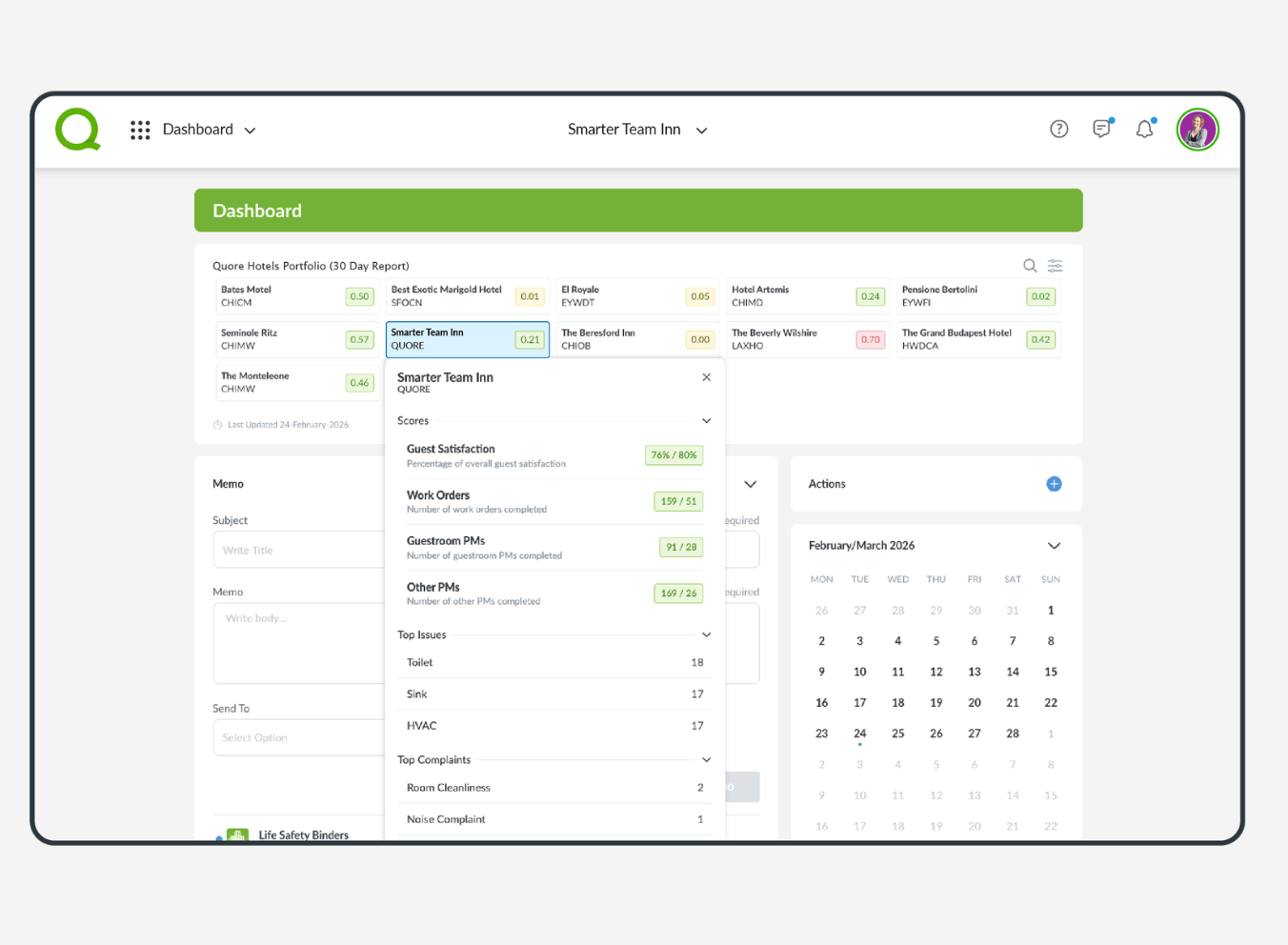
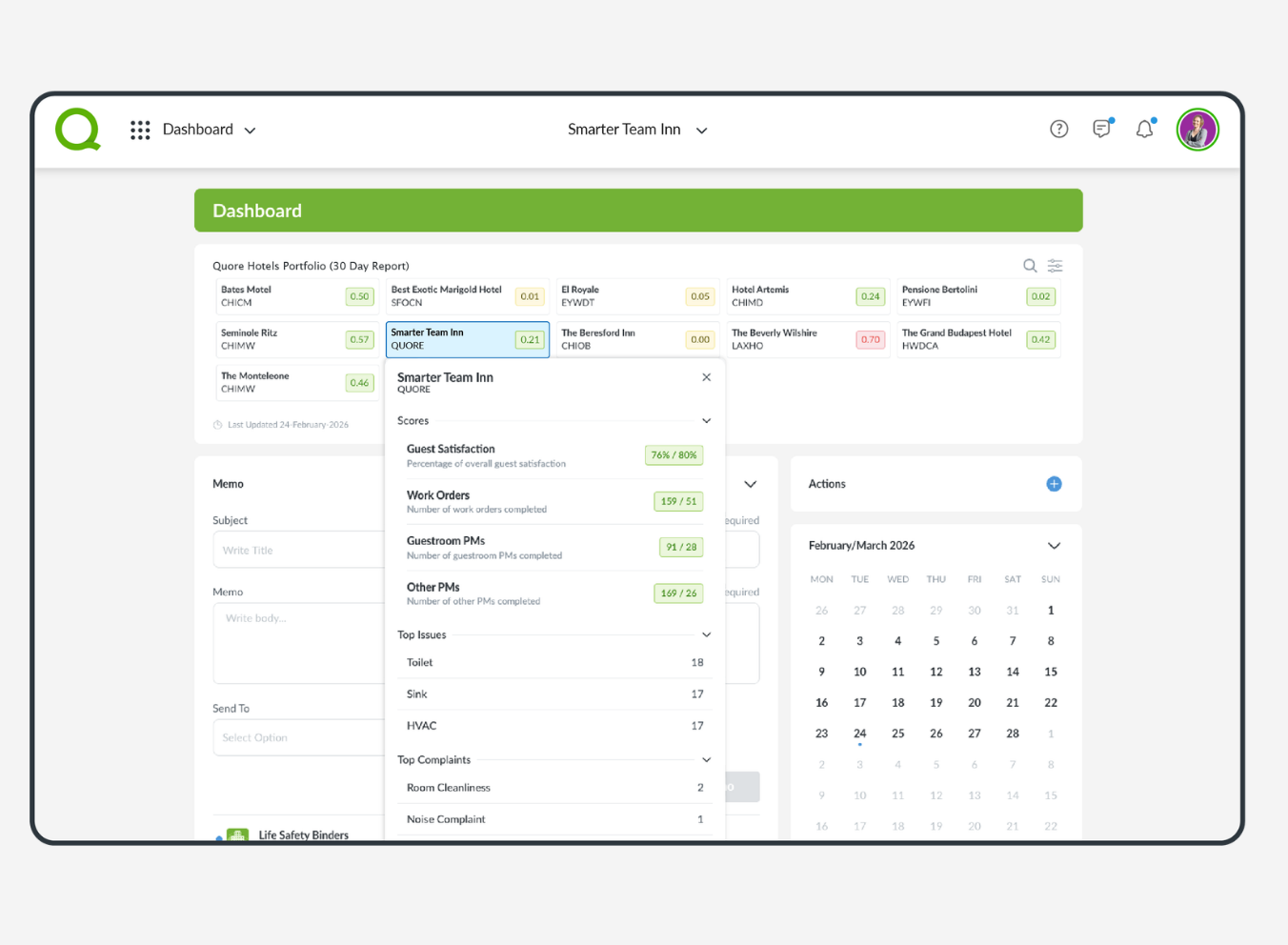
Quore’s Above Property Dashboard simplifies your day by providing a portfolio-level view of problem-resolution costs, top complaints, guest satisfaction insights, response times, preventive maintenance compliance, and property inspection trends. This is hotel business intelligence with a practical purpose: showing you what requires attention and allowing you to dig in for more answers. Track tasks ranging from quick fixes to brand-standard preventive maintenance activities from one easy-to-use platform.
Reports can cover areas such as user activity, log book activity, inspections, work orders, and cleanings, and can also be scheduled and distributed automatically, ensuring the right stakeholders receive consistent information without manual compilation.
This creates a simple reporting hierarchy:
- The dashboard shows you where performance is deviating.
- The report helps explain the trend.
- The operational record shows what happened at the property level.
By connecting daily activities across housekeeping, engineering, front desk, and management, Quore turns hotel data analytics into a shared operational story rather than an extended Table of Contents from X department at Y property.
Find Underlying Problems Faster
Not all hotel metrics deserve equal space on an executive dashboard. Effective hotel analytics begin with selecting the right measurements.
Inspection completion and recurring deficiencies can reveal whether required standards are becoming daily habits. Response and resolution times can expose workflow friction. Guest complaint patterns can reveal where operational inconsistencies are affecting the guest experience. Preventive maintenance compliance, repeated work orders, and individual asset histories can show whether a problem requires a process correction, another repair, or future capital expenditure.
Hotel performance metrics show what’s changing, while operational activity helps explain what's driving those changes. That gives you what you need to support teams with tailored strategies, rather than a blanket integration of new, potentially unnecessary policies.

Portfolio-Wide Visibility – Keep Operations on Track
Quore helps turn brand standards into visible, repeatable daily practices while preserving the flexibility hotel teams need to deliver genuine hospitality.
Whether you're at corporate headquarters, traveling, or attending a conference, you can stay connected to portfolio operations from desktop or mobile and quickly see where support may be needed. When all the moving parts are moving together, you feel it, your GMs feel it, and your guests feel it, too.
Built for the rhythm of real hotel work, Quore gives you the peace of mind you deserve.
Bring your standards to life across every property, every day, with Quore.