When Hotel Workflows Create More Work Instead of Less
In the hotel industry, word travels fast, especially when it affects a brand’s reputation. It only takes a few major service failures, followed by negative guest reviews, to put a property's reputation under pressure.
Operational strain rarely arrives as one dramatic failure. More often, the signs appear gradually: service requests take longer, handoffs become harder to follow, overtime rises, and managers spend more of the day tracking down information. Taken separately, each issue may seem manageable. Together, they can signal that the operation is carrying more friction than the team should have to absorb.
As a multi-property leader, you want to believe your portfolio is immune to this. Still, you may wonder whether you know as much about each of your 25 hotels as you’d like. If operations began slowing at one of them, would you see the warning signs in time?
How Disconnected Workflows Add Pressure to Hotel Teams
You take a closer look. It takes longer than it should because the reports and spreadsheets for all 25 properties live in different systems and folders. Most of your hotels appear to be performing well, but one or two stand out. Overtime is increasing at both. Their normally responsive GMs have become harder to reach. Guests are mentioning forgotten requests, slower service, and delayed turndowns.
In a fast-paced industry like hospitality, things will go wrong. But when the same issues keep appearing at the same properties, it's worth looking for a pattern.
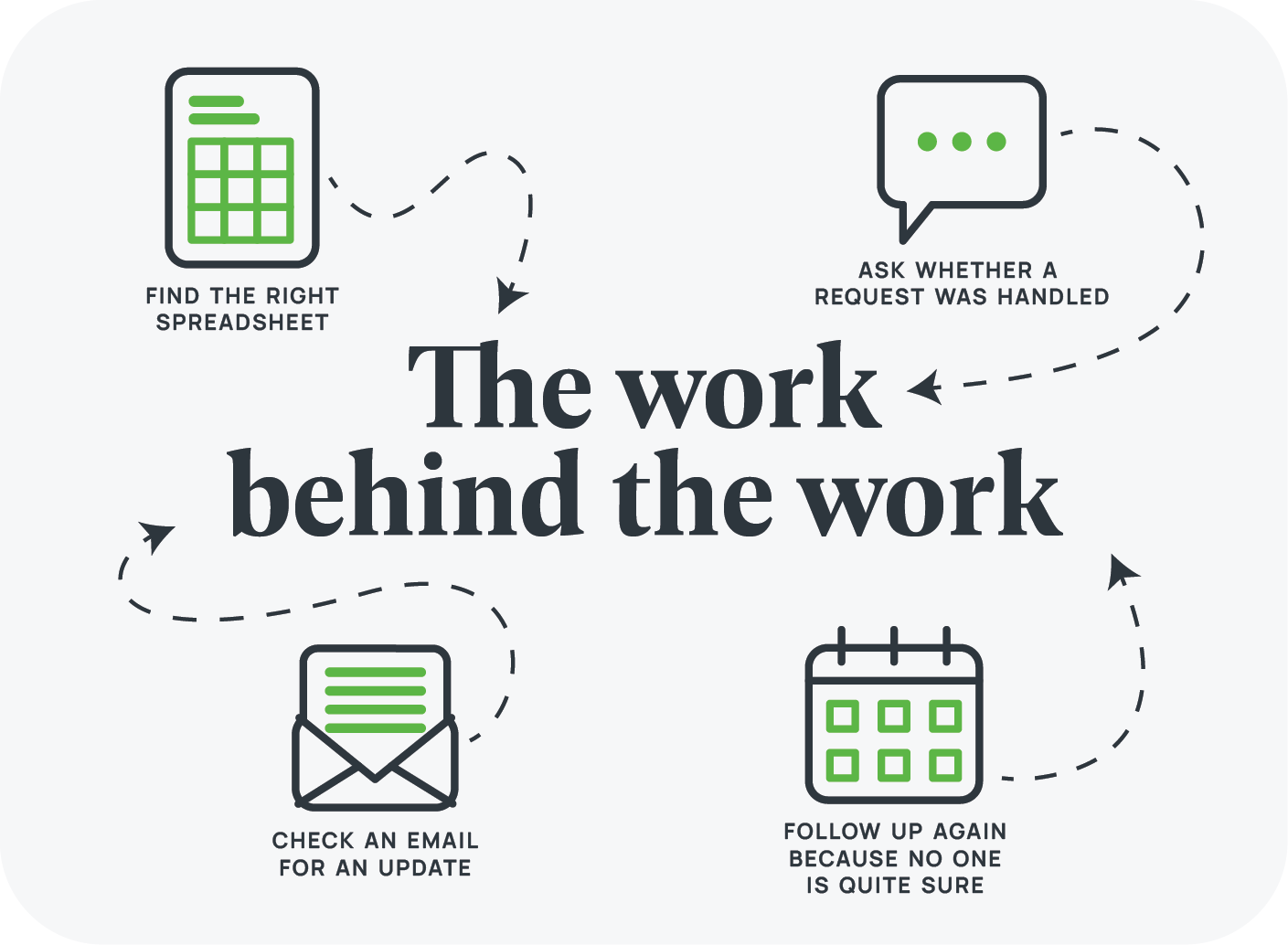
When you investigate what’s happening on the ground, you see no lack of effort from your teams. Everyone is doing their job as best they can. The problem is that employees are moving among the PMS, walkie-talkies, log books, email, and fragmented technology tools to piece together the information they need. And when information is scattered, every handoff asks a little more of the team. The operational question becomes simpler: How can you give people a clearer way to see the work, communicate what's happening, and know what needs attention next?.
How Better Workflows Improve Hotel Productivity
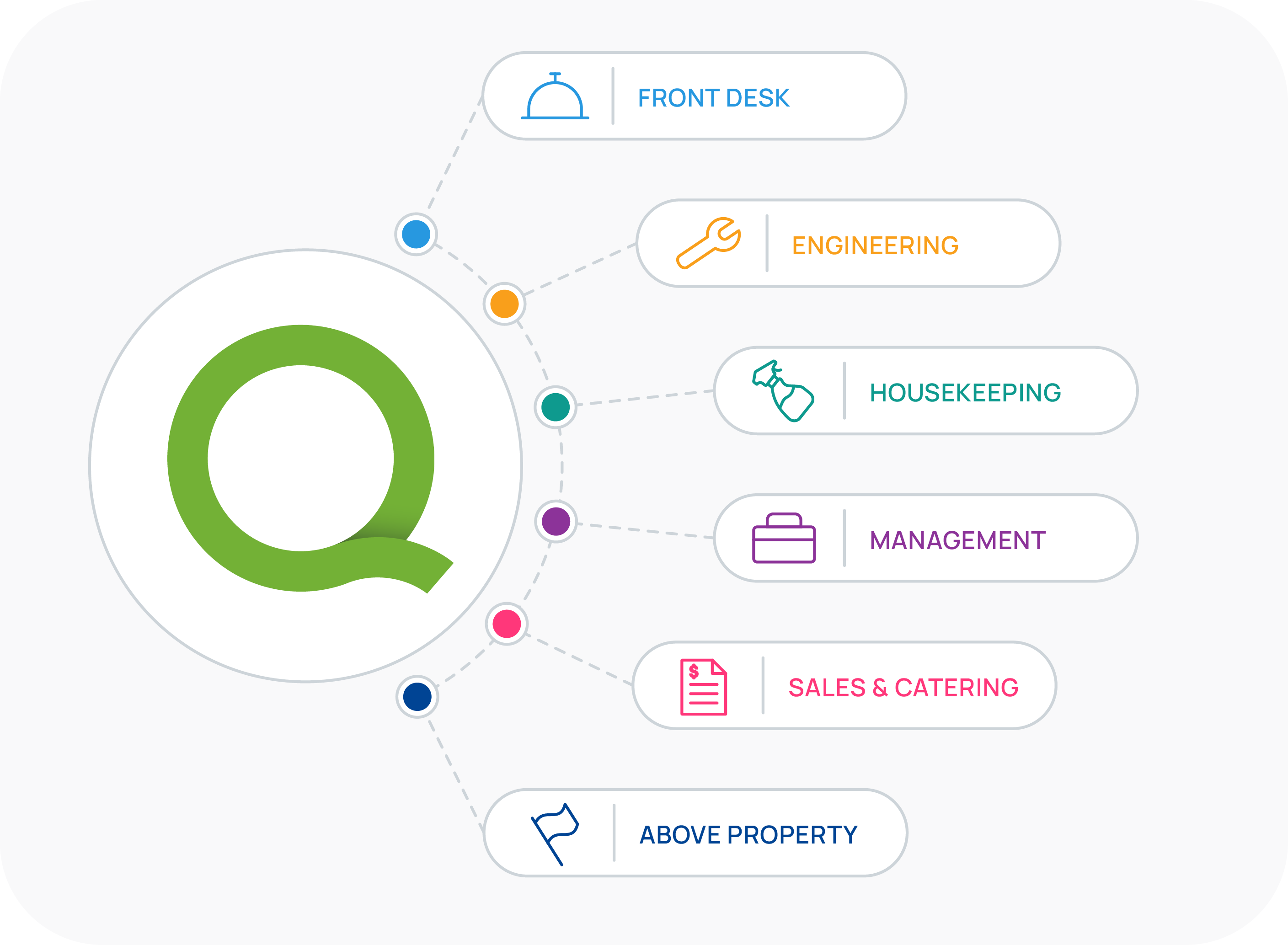
Connected workflows can give hotel teams a shared view of requests, tasks, inspections, and operational priorities. For regional and corporate leaders, that visibility can make it easier to see patterns across properties without inserting themselves into every day-to-day decision.
The goal is not to manage every property from above. It's to give housekeeping, the front desk, engineering, and management enough shared context to coordinate the work while property leaders continue to lead their teams.
How Clearer Communication Supports Hotel Teams
A shared workflow gives employees a clearer view of what needs to be addressed, who owns the next steps, and whether the work is complete. When assignments, updates, and completion status are visible in the same workflow, teams have less information to reconstruct from separate conversations and systems. Managers can focus on exceptions and priorities instead of repeatedly checking the status of routine work.
That clarity can also support consistency for new employees. New hires can work from established checklists and inspection templates for guest requests, inspections, and recurring tasks rather than relying entirely on informal handoffs to learn a process. Digital checklists can also be customized for a property, brand, or company.
Using mobile devices, teams can keep operational work moving as they move through the property. Managers can review operational reporting across areas such as response times, PM compliance, guest satisfaction, complaints, and inspection trends. Across a portfolio, that visibility can help leaders identify patterns and determine where a property may need a closer look.
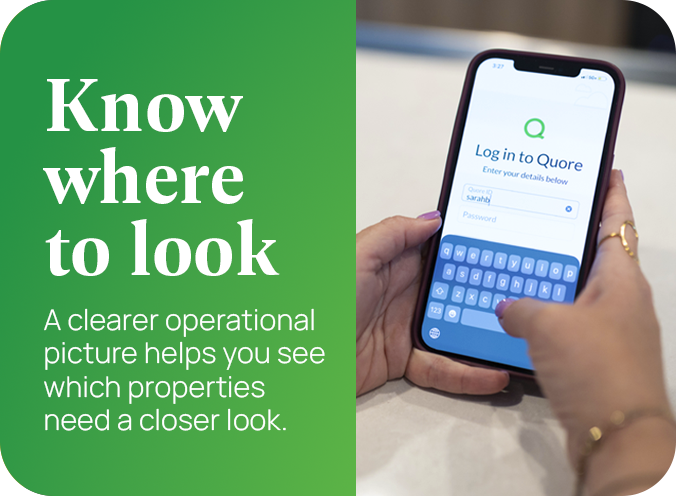
For multi-property leaders, operational visibility is most useful when it supports, rather than replaces, local leadership. Shared workflows and reporting can give you a clearer view of recurring issues, incomplete work, response times, inspections, and maintenance priorities while GMs remain responsible for running their properties.
Operational pressure doesn't disappear because a hotel adopts new technology. But teams shouldn't have to create clarity by chasing information across disconnected systems, either. When work, ownership, and status are easier to see, leaders can spot friction sooner, and hotel teams can spend less energy figuring out what comes next.
That's the real opportunity behind connected hotel workflows: not technology taking over the operation, but giving the people already running it a clearer way to work together. Contact Quore.