Revenue Management Solutions for Hotels: Why Operations Must Be Part of the Equation
Hospitality is one of the few industries where people and profit must work hand in hand. Great hotels make room for both. But balancing those priorities isn't always easy.
Every day, your teams make hundreds of decisions with the guest experience in mind. Sales negotiates group contracts. Front desk upgrades a loyal guest. Housekeeping decides which rooms need attention first as arrivals and departures change throughout the day. Individually, these are thoughtful, guest-centered decisions. Collectively, though, they can affect room availability, labor costs, ancillary revenue, and your property's financial performance.
As GM, you don't want to discourage generosity or turn every guest interaction into a transaction. You simply need a clearer view of how daily operational decisions influence revenue. The challenge is that much of what's happening across the property occurs beyond your line of sight. Without a connected view of room readiness, maintenance, housekeeping, guest requests, and front desk activity, it's difficult to understand why revenue fell short of forecast even when every department is working hard. Balancing hospitality with profitability requires one clear view of operational execution. A PMS is essential, but it does not coordinate every task and handoff happening throughout the hotel
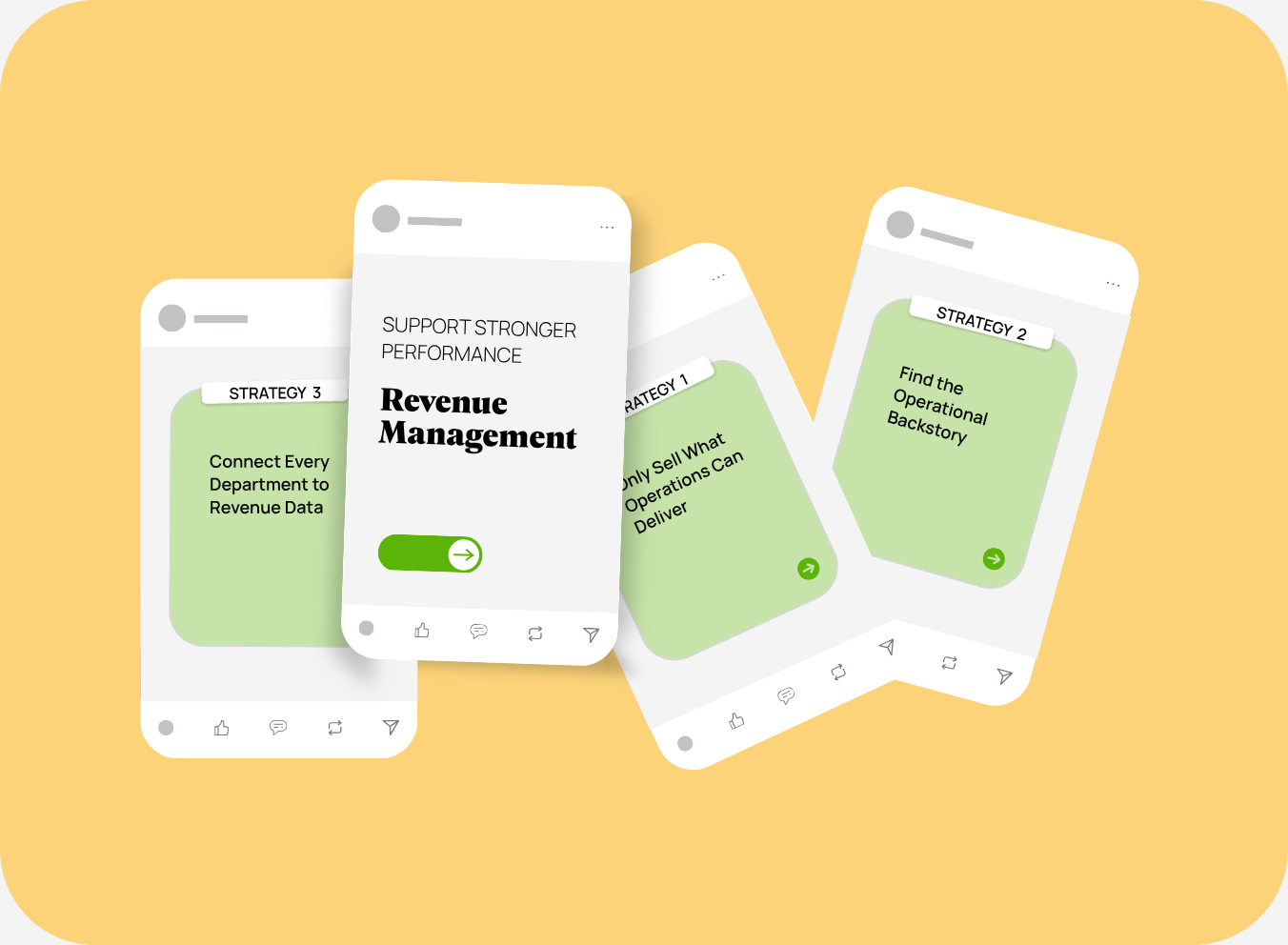
Hotel Revenue Strategies Can Only Earn What Operations Can Deliver
Revenue Management Systems (RMS) help hotels forecast demand, dynamically optimize room rates and yield management, and maximize profitability. While they reduce reliance on manual spreadsheet analysis, even the most advanced RMS can’t generate revenue if hotel operations cannot keep pace with the strategy. This can create leaks that reduce your property’s ultimate earnings.
If rooms aren’t ready on time, guests may face longer waits, room changes, or service recovery. If maintenance issues take rooms out of service, those rooms may not be available to sell. Slow check-ins, compounded by maintenance calls and unresolved guest requests, can frustrate guests before the stay has truly begun.
Exceptional service, meanwhile, can support guest satisfaction scores. Efficient housekeeping turns rooms over on time, helping the property keep available inventory ready for arriving guests. Smooth operations can also help limit avoidable guest compensation payouts and staff overtime. When the work flows better, the hotel is in a stronger position to protect both the guest experience and its margins.
Revenue Data Needs an Operational Backstory
Hotel business intelligence can tell you what happened through metrics such as occupancy, ADR, RevPAR, booking patterns, and overall financial performance. Those numbers are useful, but they don't always tell the whole story.
If your revenue report shows that several rooms went unsold during high demand, the operational backstory may be hiding in the day’s work. You may discover those rooms were waiting on maintenance, cleaning, inspection, or a final room status update before they could be returned to inventory. When information lives in different places, it becomes harder to see what's really happening.
Your PMS was built to manage reservations, guest profiles, inventory, and room status. Your RMS helps your revenue manager establish rates and forecast demand. Even when these systems exchange data, neither is designed to coordinate every task happening across housekeeping, engineering, the front desk, and guest services. Without that operational layer, important information can fall through the cracks.
How to Connect Every Department to Revenue Capture
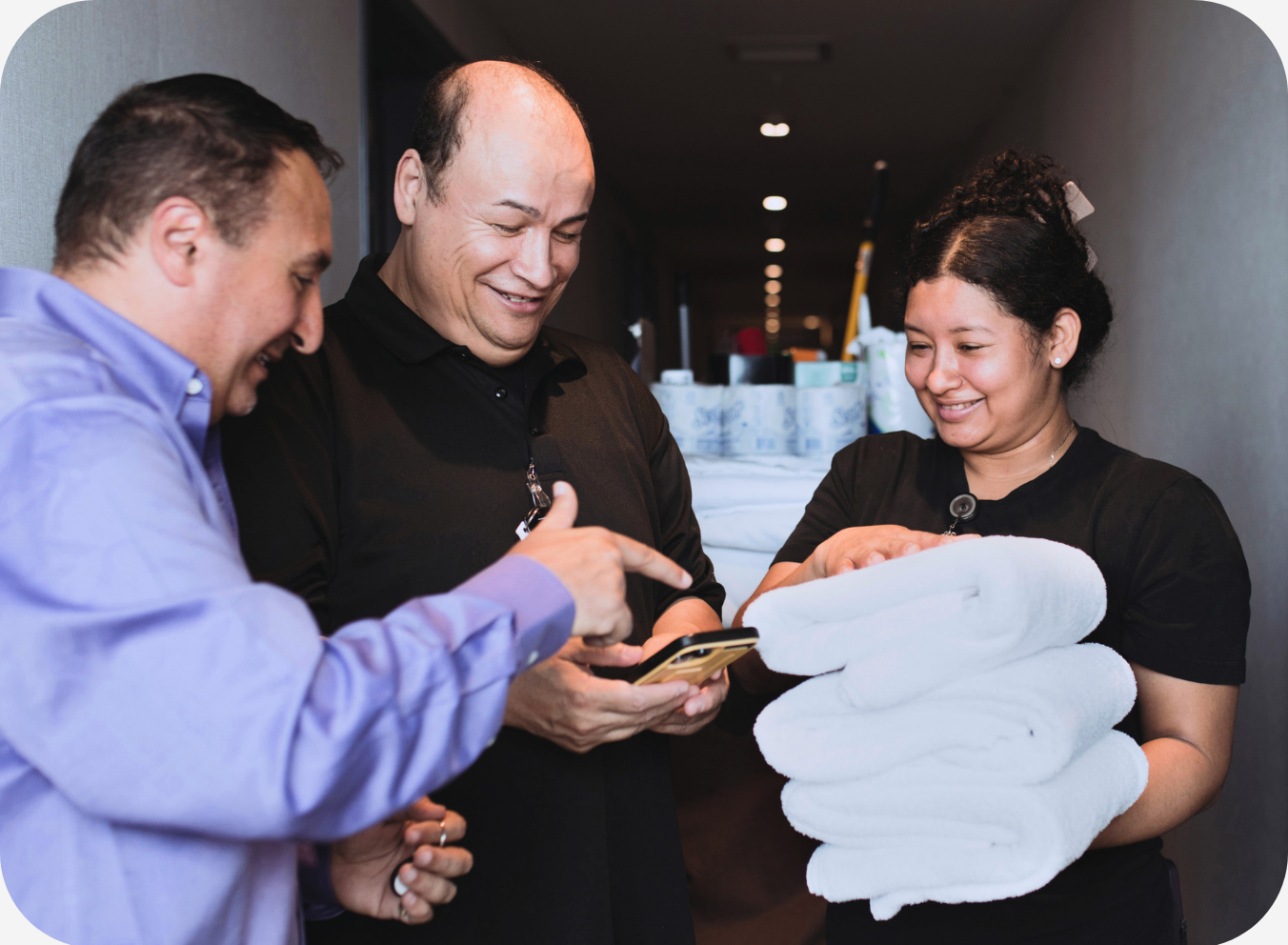
Among hotel management solutions, Quore occupies that essential operational layer. A hospitality orchestration platform, Quore brings hotel teams, tasks, and tools together in one place so you can see what needs attention and where work may be slowing down. At the departmental level, Quore helps teams stay coordinated so work gets completed without confusion or duplicate effort.
Real-time room status, guest requests, and maintenance issues can inform shared workflows across the front desk, housekeeping, engineering, and management so that everyone is working with the same information. The right hotel operations software makes role ownership and property performance visible, reducing the need for repeated calls, sticky notes to convey updates, and disruptive walkie-talkies across your hallways.
Keep Rooms Guest-Ready
Suppose housekeeping discovers that an air-conditioning unit isn’t cooling properly while turning a room. Instead of searching for an engineer or leaving a message that may not be heard immediately, the issue can be logged in Quore and assigned to the appropriate team member.
Engineering can see the work order, housekeeping can follow its status, and management can identify what is preventing the room from returning to service. Once the repair and required inspection are complete, the task is closed out, and the front desk then has a clear picture of room readiness.
For the guest, it can mean arriving to a room that's ready when they are.
Keep Guest Requests Moving
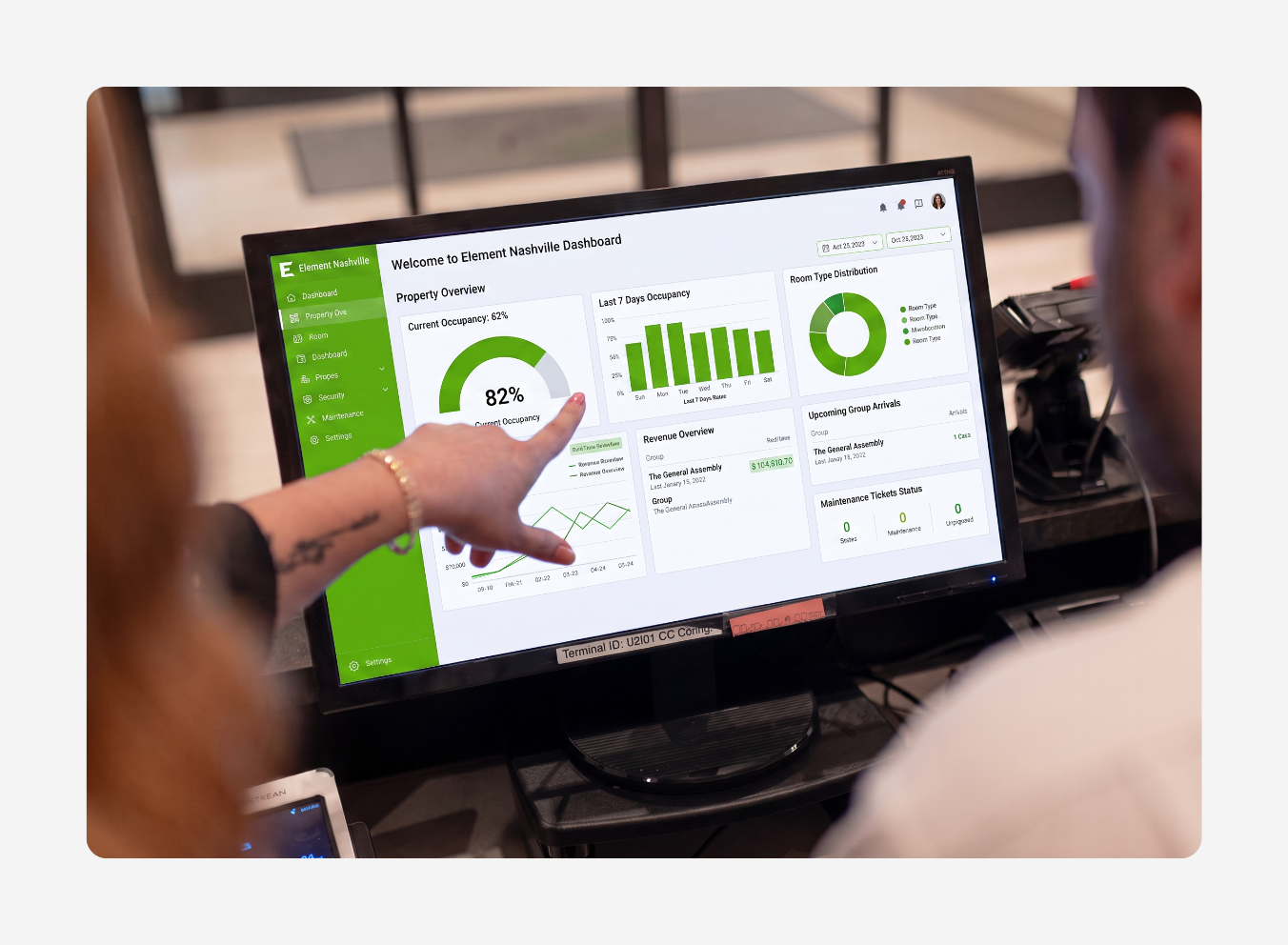
Using Quore, guest requests can be assigned and tracked. Once the request is completed, managers can review activity and response trends through reporting and dashboards.
From their devices, employees can see who opened a request and how it’s progressing, reducing duplicated effort and the risk that something gets lost during a shift change.
Instead of scrambling during check-in and checkout rushes, teams can keep work moving. Pillows arrive at the assigned room promptly and without a second call to front desk or housekeeping. Guest services can alert maintenance to a room issue they were told about while arranging the guests’ dinner reservations. All these experiences can influence guest satisfaction and online reviews. Hotel management software that supports revenue protects the experiences that make premium pricing and guest loyalty possible.
Improve Productivity Without Micromanaging
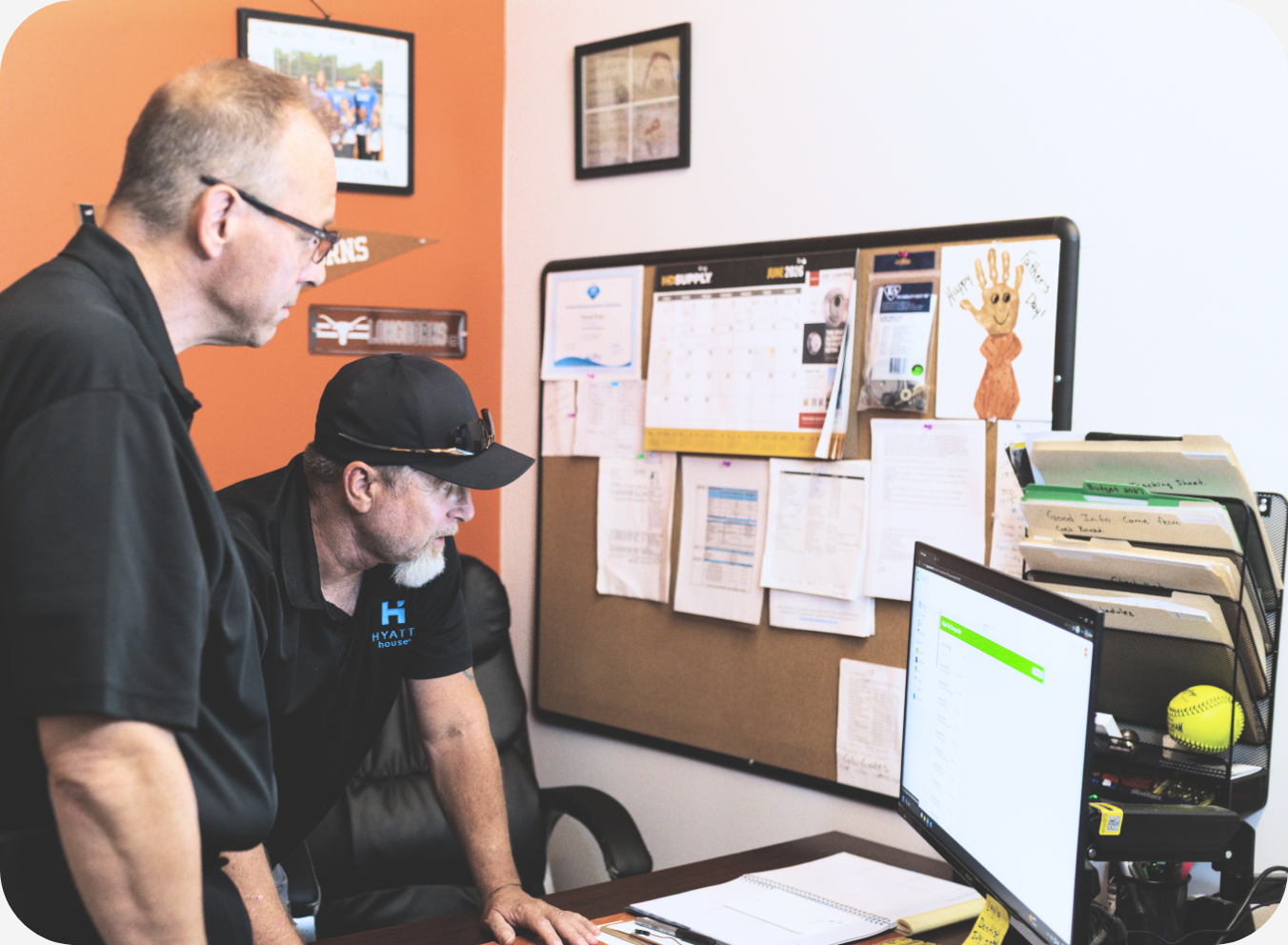
Quore’s Front Desk tools, Work Orders, Inspections, and cross-department workflows give you one clear view of operational execution. You can identify the number of guest requests and guestroom PMs completed, and drill down on recurring issues from a single connected, comprehensive platform.
Better hotel productivity doesn’t mean asking busy employees to move faster. It means removing repeated calls, duplicate work, and unclear issue ownership that comes as a result of disconnected communication.
With hotel operations management software uniting tasks, teams, and tools, teams settle into a steadier rhythm, and you gain the visibility you need to lead.
When Operations Support Revenue
Hospitality and business are not opposing priorities. When operations flow smoothly, employees have more time to care for guests, room availability is optimized, and service remains consistent.
Quore helps connect day-to-day operations to the conditions that support stronger revenue performance, helping every department work from the same clear picture and preventing important tasks from living in one departmental silo. When everyone can see the work, there are fewer missed handoffs and fewer surprises. And your guests will feel it.
Run your hotel from one clear place and lead with confidence. See how operational execution helps optimize revenue capture with Quore. Contact us today.