Training Hotel Staff on Using New Technology
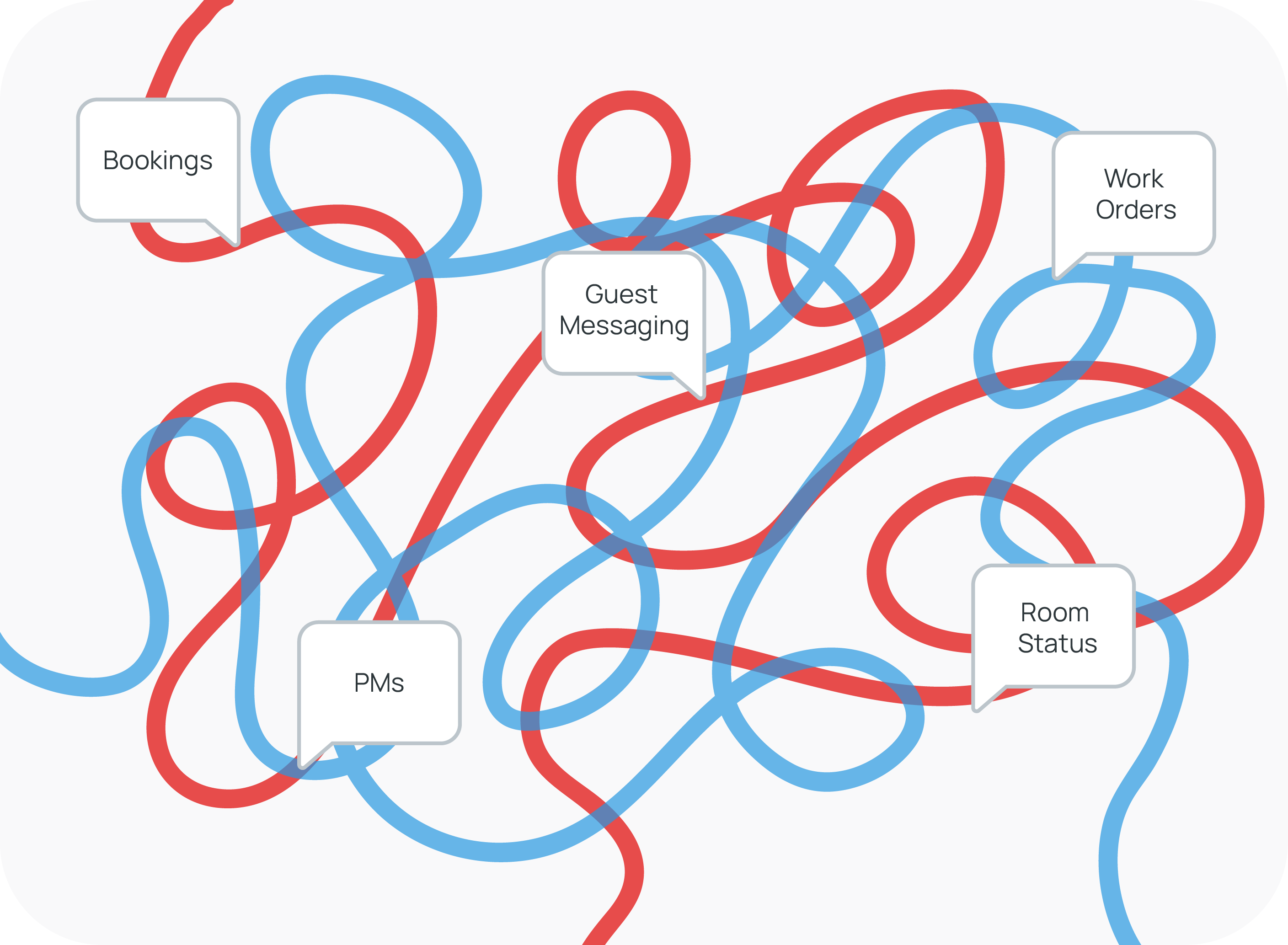
The front desk agent knew what was wrong the moment the guest in room 2202 called down to report a musty smell. She’d responded to this same complaint just last week and made a note of it, which she’d placed…somewhere. But shifts had changed twice since then, and between the guest's call and a sticky note, the follow-up didn’t happen. And here we go again.
Meanwhile, downstairs in engineering, an employee is finishing his rounds. A reading in one of the mechanical checks gives him pause. It’s nothing too alarming, but without any record of prior inspections, there’s no way to know for sure whether this is a one-off or a sign of a bigger problem.
These are the kinds of issues hotel staff face every day. And if they go unaddressed, hotel operations slip, as does your ability to provide flawless guest services.
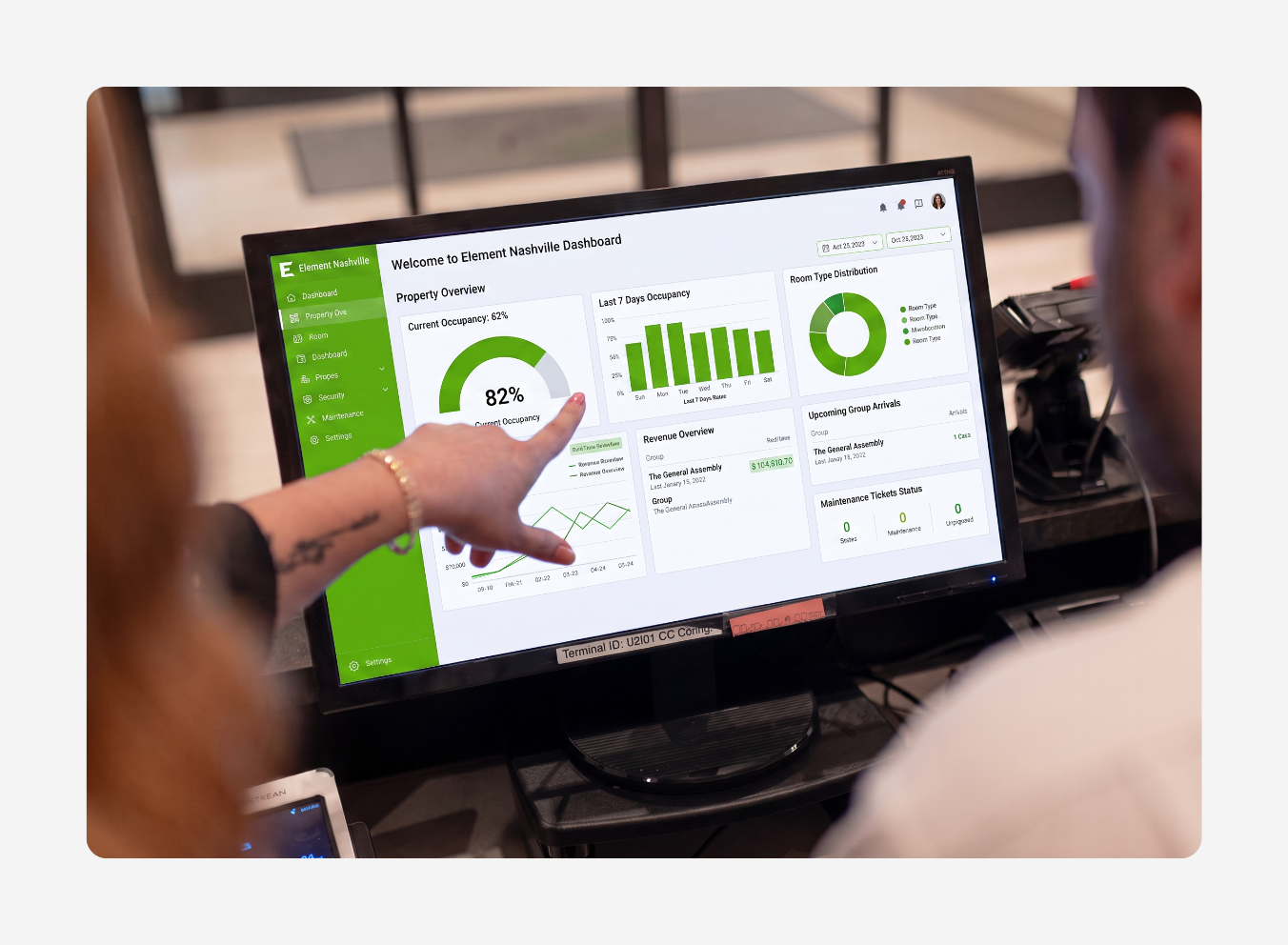
Modern hotel operations software was built to prevent these problems. By connecting housekeeping, engineering, front desk, and management into one unified platform, teams have what they need to catch problems early, respond to guests faster, and keep operations running with fewer interruptions. But the technology itself is only half of the equation. The other half is making sure everyone on the team adopts it and feels confident using it.
When Adopting Technology Becomes a Challenge in Hospitality
If you’ve held your leadership role in your hotel for a few years now, you know that the pressures within this competitive industry have radically intensified. And because of this, new hires are expected to hit the ground running, operations are more complex, and guests, living in an era influenced by online ratings and reviews, have higher expectations than ever before.
As the digital era continues to improve efficiencies across all sectors, hotel management technology brings similar benefits to this particularly fast-paced, often chaotic environment. But only when your people use it. A platform that nobody understands is no asset. So, the challenge for today’s leaders is in helping their teams adapt and adopt. And this comes down to the training process.
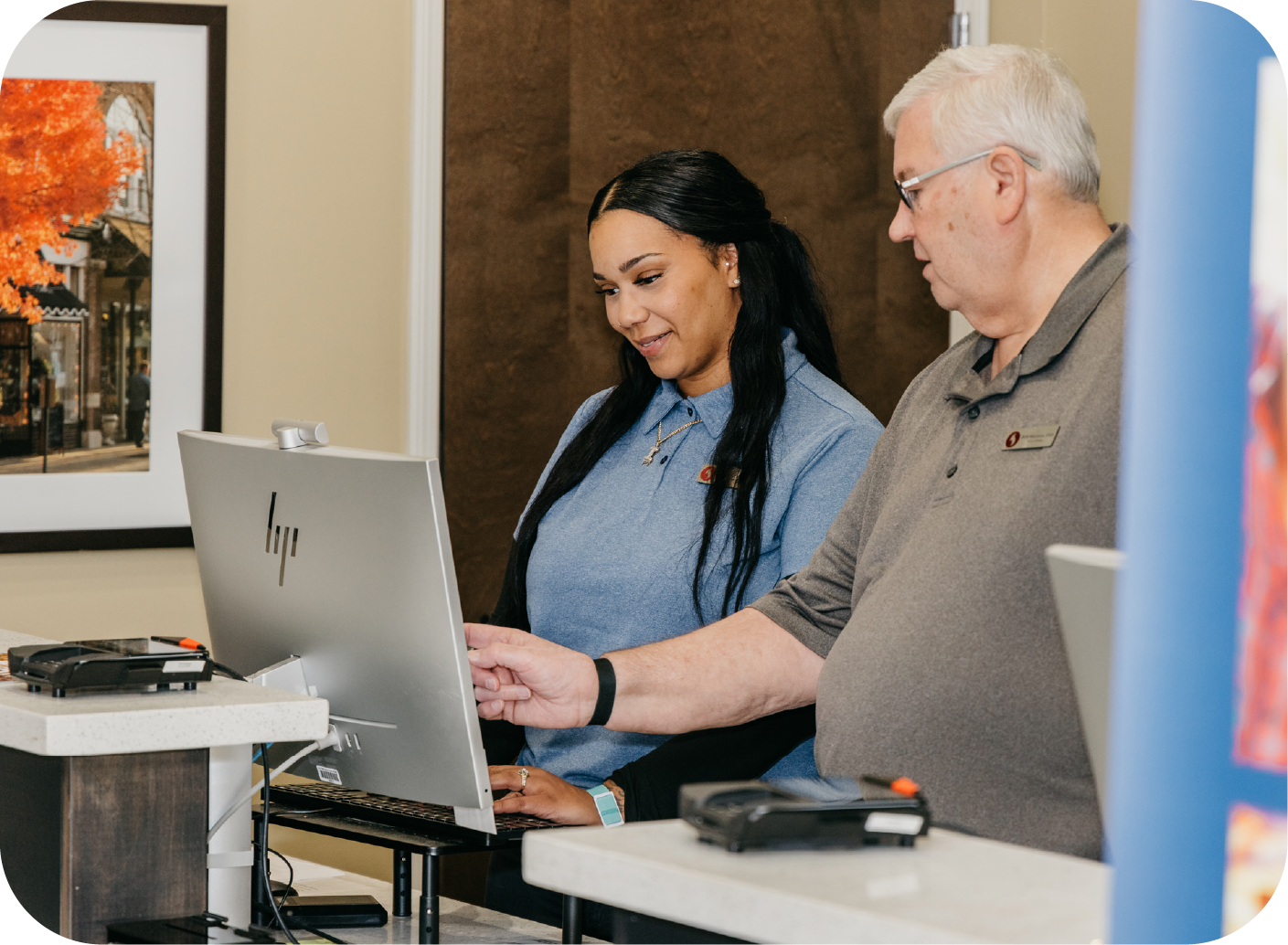
How to Succeed in Training Staff on Using New Technologies
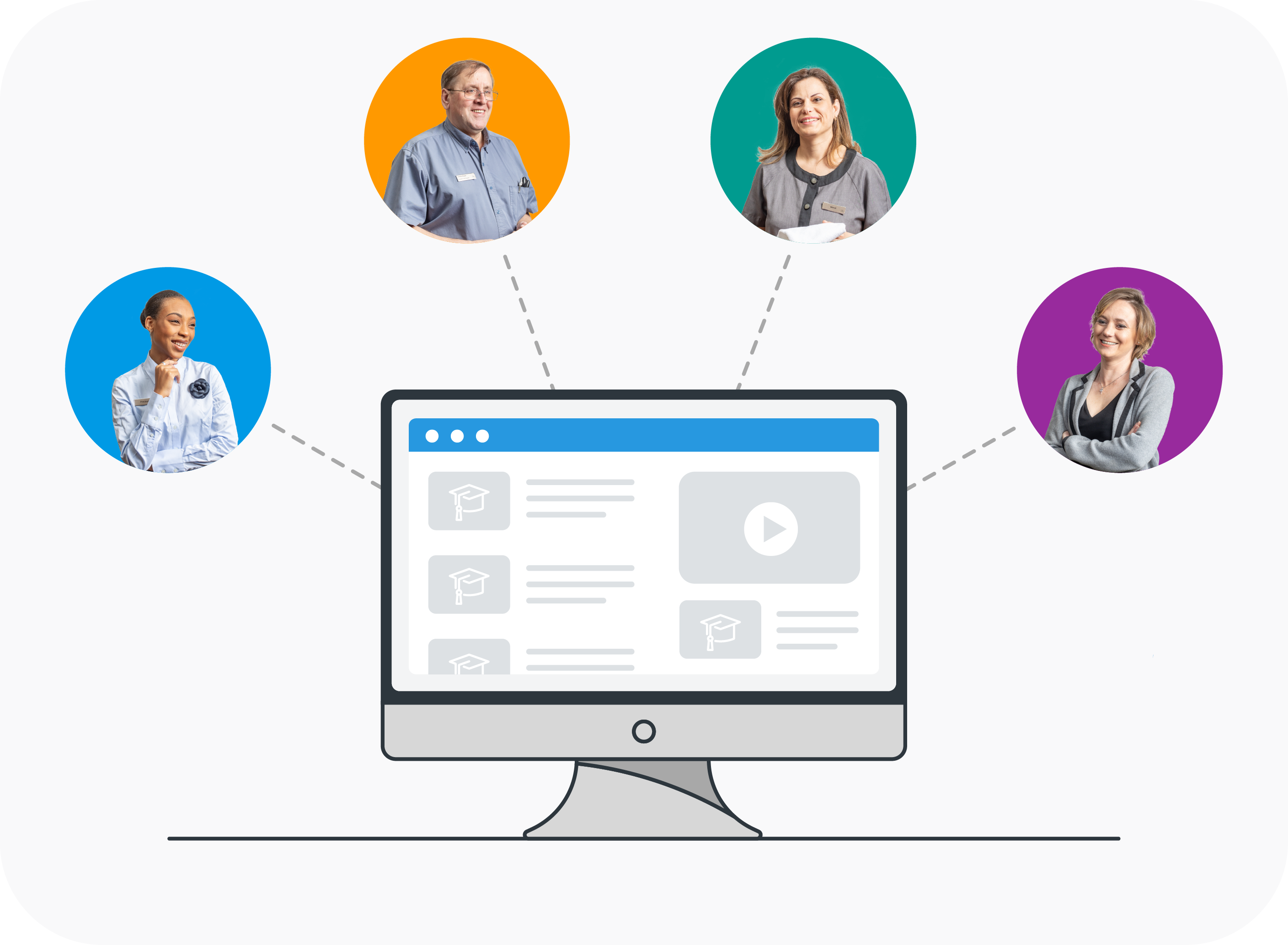
At Quore, hospitality staff are trained through Quore University, an interactive online learning management system that is personalized, intuitive, and even gamified. It provides self-guided, role-specific learning paths, offers badges to acknowledge achievements, and, with mobile access, enables individuals to learn at their own pace.
As a leading workflow orchestration platform, Quore aligns teams, tasks, and tools so hotel properties can deliver excellent guest experiences at scale. It’s a mobile, all-in-one hospitality operations software that not only streamlines hotel workflows to elevate guest satisfaction but also provides a flexible, engaging learning process to enhance the user experience. New technologies can be intimidating, but Quore makes every student feel like a champ.
Why One-Size-Fits-All Training Doesn’t Work in Hospitality
Successful adoption of new technologies happens when training doesn’t feel like a chore. This is why in-person training covering departmental functionality one by one quickly loses its audience. Training also needs to demonstrate how the technology benefits individual users, not just the property itself. After all, the hotel workflow for a housekeeper is not the same as the workflow for a regional director, and onerous instructions detailing the hotel hierarchy can skyrocket opt-outs.
Hotel management apps are designed to make everyone’s work life easier, but they’re only effective when the people meant to use them are motivated. This will not happen with cookie-cutter seminars that don’t align with individual staff members' needs and interrupt personal schedules.
Personalized Training That Rewards Achievement Yields Better Outcomes
Quore University was built around those who use their technology. With 12 learning paths covering 42 job titles, ranging from VP of Operations to engineering to housekeeping associate, this online training model meets people where they are. Every path is available in English and Spanish, with more languages on the way, and the platform works on mobile and desktop, so employees can learn when it’s convenient for them.
If you’re wondering, “Would this help my hotel team?” the benefits are impossible to ignore. Flexible training respects individual schedules. Onboarding new hires is suddenly streamlined. Hotel productivity soars. And while everyone is working from the same foundational understanding of the technology, their experiences are tailored to their individual roles and needs.
Gamification That Makes Training Fun
In addition to flexibility and personalization, Quore University was also designed around gamification. Employees earn badges, climb leaderboards, complete certifications, and hit learning milestones that are visible to them throughout the process. Individual progress is tracked on their devices, with overall points, monthly activity, and specific badge achievements, such as Foundational Skills and Daily Learning, clearly showcased.
Hotel workforce management is at its best when individual efforts are rewarded. This same principle applies to the training hotel staff receive through Quore University. When a new hire who may be feeling overwhelmed sees they’re quickly catching on and progressing at a good clip, they’re more likely to keep going. When a team has a shared leaderboard, a little friendly competition can turn required training into something people get excited about. And managers benefit too, since they can monitor team and individual progress from their own dashboard without micromanaging.
For hospitality workforce management leaders considering retention, this is worth noting. Employees who may feel out of their depth with technology but who feel supported and successful during their training with Quore are more likely to stay. And a training program that recognizes effort, tracks accomplishment, and gives people a visible path to proficiency shows them that management cares. All these thoughtful considerations help minimize turnover and optimize adoption. Hotel labor management software that enjoys higher engagement and faster training translates into increased productivity and profit.
Training that your people enjoy builds the shared expectations and knowledge that make consistency possible at your property. When front desk, housekeeping, engineering, and management are working from the same operational playbook, communication improves, accountability becomes clearer, and requests don’t slip through the cracks. All of this translates into harmonized operations and an optimized guest experience.
This is the essence of hospitality orchestration: a feeling that hotel teams are performing at their very best because we’ve given them the tools to do so.
What Modern Hotel Technology Training Looks Like
Quore University was piloted in over 600 hotels before its full launch, and the results were consistently impressive. Teams adopted the platform faster than competitive technologies, onboarding friction decreased, and employees reported feeling more confident in their daily work. Managers described the structured approach as a meaningful shift away from the informal, inconsistent training that once characterized technology rollouts and toward a hotel-wide understanding of how Quore makes everyone’s job easier and more fulfilling.
For any hospitality software company, the measure of success is not whether the software gets installed; it’s the impact it makes on the people using it.
When training is designed around real hotel scenarios, built for specific roles, and delivered in a way that respects a busy and diverse hospitality workforce, the software is more than an app. It becomes your superpower.
Bring your standards to life across every property, every day. Contact us today.