Hotel Operations Software vs. Hotel Property Management Systems: What’s the Difference?
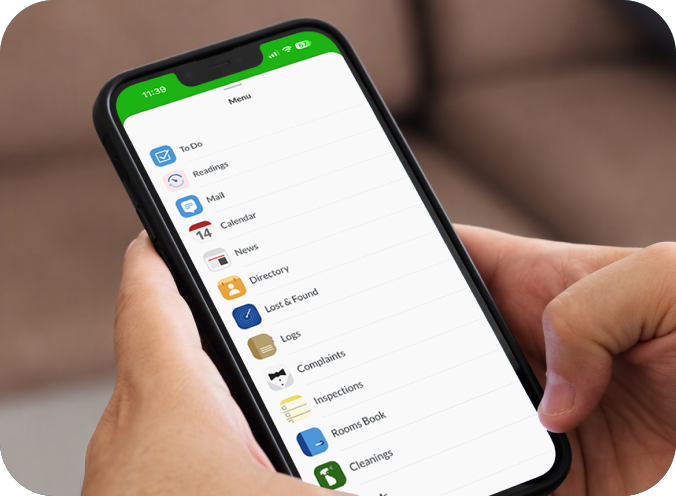
Hotels are complex, fast-paced environments. Problem-solving and quick decisions are part of the job, and an overlooked issue can quickly affect the guest experience. Delivering consistent service takes judgment, teamwork, and clear communication, especially when the unexpected happens.
As the General Manager of a busy hotel, you’re responsible for keeping many moving parts connected. Your property management system (PMS) helps manage daily front desk and back-office activities, including reservations, room availability, and guest accounts. But coordinating daily work across departments can require more than managing reservations and room records. Tasks still need owners, updates need to reach the right people, and follow-ups need to happen. How well does your current system support that work?
What Does a Hotel PMS Do?
A PMS is a system hotels use to manage core property functions, including reservations, rates, room assignments, guest check-in and checkout, guest profiles, and billing.
These capabilities give your front desk staff essential information about who’s arriving, which rooms are available, and outstanding guest charges. Depending on the system and its integrations, a PMS may also support housekeeping workflows, maintenance functions, and room status updates.
The question for GMs and property owners is whether your system supports work beyond those records? Can teams use it to coordinate responsibilities, communicate issues, and track follow-ups from one shift to the next?
When evaluating hotel management software, consider your operational goals, how information reaches the people responsible for acting on it, and where gaps remain.
What Does Hotel Operations Software Do?
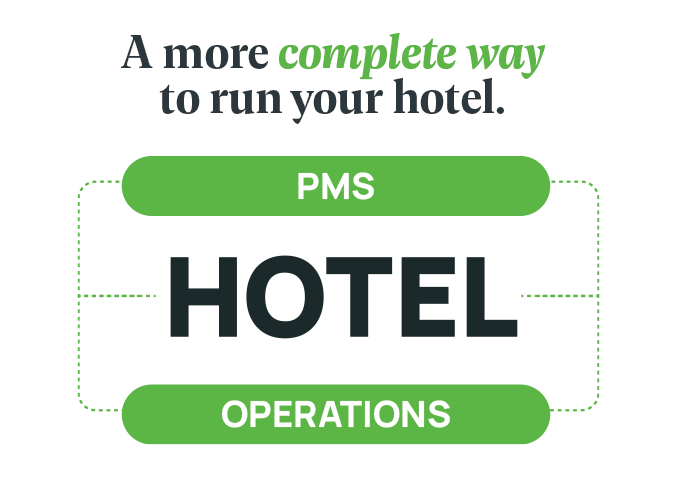
Hotel operations software works alongside your PMS, helping teams coordinate the work behind your reservations, room records, and guest accounts. While a PMS typically focuses on reservations, room management, guest information, and billing, operations software helps teams coordinate tasks and workflows across departments. It connects requests, responsibilities, task status, and follow-through so teams can move from an alert that something needs attention to completing it and closing it out digitally. These systems keep interdepartmental activities visible across housekeeping, front desk, maintenance, and management so everyone’s on the same page.
For example, a hotel PMS tells you whether a room is available or occupied; hotel operations systems can help staff document a room issue, notify the right person, and track the follow-up. They can reduce the need for repeated verbal updates or chasing down colleagues across departments to explain an issue and request a fix.
A connected hotel management platform can complement your PMS by bringing this work into a shared operational view. With mobile access, employees can send an alert when they discover an issue, colleagues can see and act on what they’re responsible for, and GMs can monitor activities and follow up on outstanding work.
How Log Books, Emails, and Sticky Notes Add to the Chaos
Without a hotel operations management platform, staff rely on log books, emails, and sticky notes to pass information along. Instead of eliminating the back-of-house challenges that guests don’t see, manual systems can add to them. A missed handoff can turn a requested follow-up into a requested task incomplete, affecting the guest experience and potentially leading to a complaint, compensation, or a negative review.
Before adding another hotel management application to your stack, take a step back to understand what’s missing overall. Often it comes down to communication. People in different departments work hard, but they don’t always share important information with one another.
Quore Brings Daily Operations Into One Clear View
Quore brings teams, tasks, and tools together in one shared platform. It’s a hotel management product suite that streamlines daily workflows and gives you greater visibility into operations and performance. We call that Hospitality Orchestration.
Digital logs replace traditional paper red books and pass-on notes with digital pass-ons, tracking, cross-department visibility, and mobile access.
Work orders help teams document and follow repairs. Inspections make standards actionable, and reporting options help managers recognize recurring issues so they can address issues before they become larger problems.
Supported add-on integrations connect Quore with selected PMSs to share information. Teams can plan housekeeping work in Quore, including preparing room-assignment boards and prioritizing cleaning. Connecting Quore with guest messaging can make guest messages visible to staff as requests they can track and address.
Travis Maschino, former general manager of the Holiday Inn Detroit Northwest, described the value of having information readily available: “We’re in a digital day and age now, and we want to be able to see information right in front of us and respond to it immediately without having to go back five pages to reference something. Quore allows us to do that without the hassle of paperwork.”
Hotel and restaurant employee turnover has been reported at 70% to 80% annually, highlighting the ongoing challenge of retaining hospitality workers. While technology alone cannot solve turnover, tools that clarify responsibilities and make daily workflows easier to manage can support employees in their work.
The unexpected happens, but a shared operational view helps your team coordinate responses, keep track of outstanding work, and make informed decisions.
Explore how hotel operations software can support communication, task management, and follow-through across your property.